Cold Bonding for Rubber Gaskets
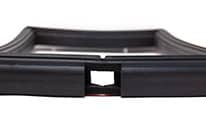
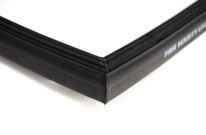
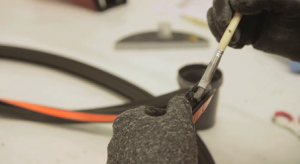 Cold bonding for rubber gaskets joins lengths of material without the use of heat. This bonding technique doesn’t require low-temperature conditions, but is called “cold” because no heat is applied to the gasket. By contrast, hot splicing requires either a conventional heat source or infrared (IR) light. Vulcanization and molded corners for rubber gaskets also involve heating gasket materials.
With cold bonding, an adhesive is applied to the ends of the lengths that will be joined together. Different types of bonding systems are available, including compounds that vary in terms of viscosity, chemistry, and material properties. Cold bonding for rubber gaskets can save time and eliminate tooling costs, but engineers need a complete understanding of this joining method before choosing glued gaskets. (more…)
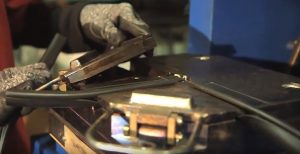 Molded corners for rubber gaskets are recommended for applications that require rounded joints, the ability to withstand stretching, or high cycle times. Molding is more expensive than hot splicing or vulcanization, but it’s the only way to create radisued corners. C-press injection molding, a bonding method for rubber gaskets, is ideal for low-to-medium volume quantities but suitable only for solid profiles.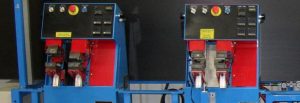
 Flame retardant rubber helps to protect people and property from the devastating effects of fire. By stopping or slowing the spread of flame, these elastomers reduce the rate and intensity of burning. They can also limit the release of smoke and toxins while increasing the amount of time that people have to escape from life-threatening situations. Applications for these specialized compounds include electronic enclosures and the interiors of buses, trains, and subways.
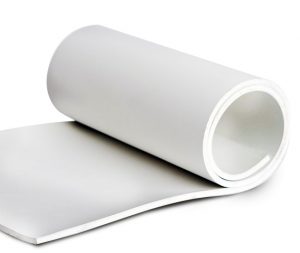 FDA gasket materials are used in food contact applications such as commercial kitchens. They meet strict standards from the U.S. Food and Drug Administration (FDA), a regulatory agency that’s responsible for protecting the public health by ensuring the safety and quality of many food products. The FDA’s jurisdiction is limited to the United States, but FDA standards are followed worldwide.
 NSF gasket materials are used in commercial food service equipment, water treatment or distribution systems, and other applications that can affect human health and safety. Rubber compounds that are registered with NSF International (formerly the National Sanitary Foundation) must pass rigorous tests to ensure that potentially harmful substances won’t migrate from the gasket material when in contact with food or drinking water.
 UL gasket materials can provide flame resistance, ingress protection, or other specialized properties. For engineers, it’s important to understand what the different standards from Underwriters Laboratories (UL) mean. It’s also worth knowing if UL gasket materials are truly required in your component-level designs. Otherwise, you may “over-engineer” your gaskets and pay too much for materials.
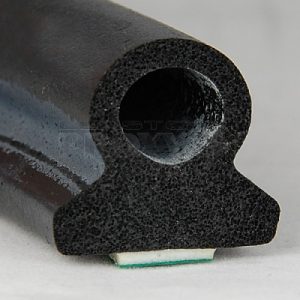 Do you know how to install rubber gaskets for optimal sealing and insulation? If rubber seals are installed improperly, small leaks can admit air, water, dust, light, and sound. That’s a big problem for assembly and maintenance personnel who work in industries like mobile equipment, defense, aerospace, stainless steel and food equipment, infrastructure, and medical and health.