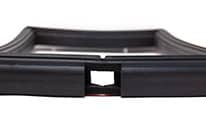
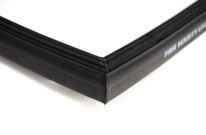
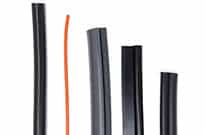
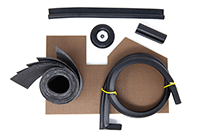
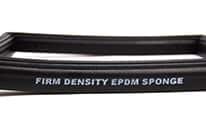
When a manufacturer of water filtration systems needed a rubber gate seal that would last longer and resist ultraviolet (UV) light, Elasto Proxy provided a value-added solution. This custom gasket doesn’t just resist exposure to water, contact with metal and concrete, and disinfection with UV light. The gate seal also supports ease-of-installation and is ready to ship from Elasto Proxy’s warehouse in Newmarket, Ontario.
The 60-durometer EPDM lip seal (J-seal) that Elasto Proxy provides attaches to the bottom of a metal gate used in water treatment facilities. This rubber seal is also compressed against hard concrete floors and exposed to a range of temperatures. UV disinfection kills waterborne microbes that can make people sick, but ultraviolet light can also degrade rubber materials. Without reliable sealing and strong bonding, gaskets like this can’t meet business or technical requirements.
To provide a complete sealing solution, Elasto Proxy leveraged its expertise in seal design, material selection, custom fabrication, warehousing, and logistics. (more…)

 The Elasto Proxy Blog is starting the New Year with a quick look back at how we helped readers solve their sealing and insulation challenges in 2017. Whether you’re new to the Blog or a veteran reader of our 275 posts, we hope you’ll enjoy this review and will let us know what you’d like to read about in 2018.
 Bulb trim seal compounds, colors, and approvals may surprise you.
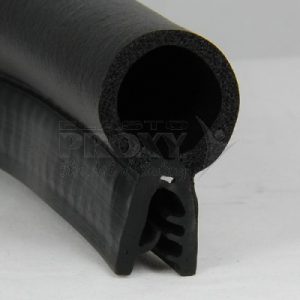 Learn about bulb trim seal measurements from Elasto Proxy.
 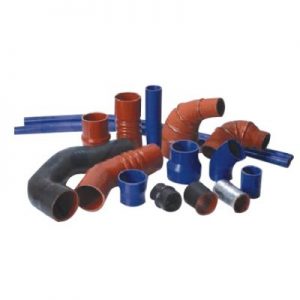 Silicone couplers are molded rubber parts that connect the intake pipes and tubes in diesel-powered vehicles and heavy equipment. These engine components resist high temperatures while providing strength and flexibility. Typically, silicone couplers are used in mobile equipment such as generator sets (gensets), ships and boats, and on-road and off-road equipment for forestry, mining, construction, and agriculture.
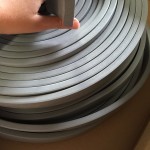 How is silicone rubber used for sealing and insulation? Silicones have valuable properties, but engineers need rubber that meets specific requirements. If you’re wondering whether silicone seals, gaskets, or insulation are the right choice for your application, consider some of the uses for this versatile polymer. The examples you’ll read about aren’t the only uses for silicone, but they’re representative.
 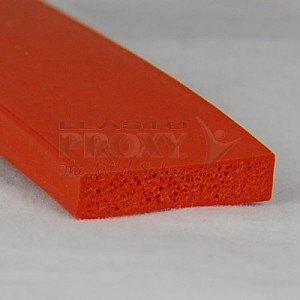 When is silicone rubber the right choice for sealing and insulation? Silicones have many desirable properties, but can cost more than other polymers. That’s why some engineers avoid them – even though silicone prices have fallen. At the same time, newer materials such as thermoplastic elastomers (TPE) are interesting but even more expensive.
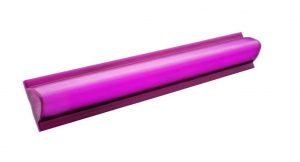 TPE profiles are replacing EPDM rubber in applications such as mobile equipment, food equipment, and infrastructure. Unlike EPDM, thermoplastic elastomers (TPE) are recyclable. That’s especially important in Europe, where manufacturers are moving away from petroleum-based materials.
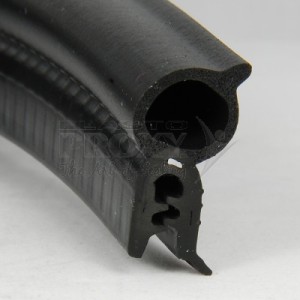 Bulb trim seals are used with doors, hatches, and enclosures. They have two sections: the bulb and the retainer. The bulb section provides sealing and insulation under compressive force. The trim or retainer section presses onto a flange or substrate.
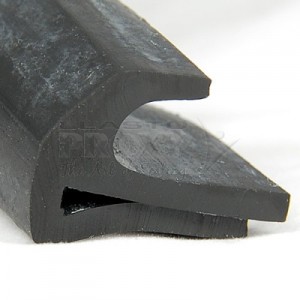 When a manufacturer of water filtration systems needed a rubber gate seal that would last longer and resist ultraviolet (UV) light, Elasto Proxy provided a value-added solution. This custom gasket doesn’t just resist exposure to water, contact with metal and concrete, and disinfection with UV light. The gate seal also supports ease-of-installation and is ready to ship from Elasto Proxy’s warehouse in Newmarket, Ontario.