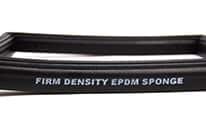
HVAC Maintenance and Replacement Parts: Custom Seals, Gaskets, and Insulation
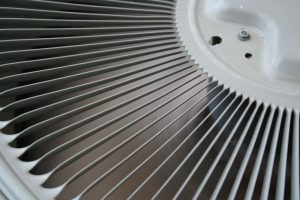 HVAC maintenance, repair, and overhaul (MRO) organizations need replacement parts for air handling units, air conditioners, boilers, chillers, heat pumps, furnaces, humidifiers, dehumidifiers, and other types of HVAC equipment. HVAC MROs also need to source these replacement parts in low-to-medium volume quantities that meet requirements for cost and quality.
HVAC original equipment manufacturers (OEMs) can supply rubber seals, gaskets, and insulation, but at higher prices and in greater minimum order quantities (MOQs) than some HVAC MROs want to pay. HVAC aftermarket parts are available, but commodity items aren’t the right choice when a custom sealing and insulation solution is required.
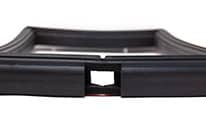
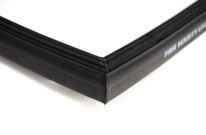
Elasto Proxy supplies custom HVAC seals, gaskets, and insulation in low-to-medium volumes. HVAC MROs like our pricing, but they also appreciate our value-added manufacturing. In addition to custom fabrication, we offer design assistance and help with material selection. If you don’t have a drawing of the HVAC component that you need to replace, just send us a sample and we’ll create a CAD file. Elasto Proxy can recommend the right rubber and the most cost-effective MOQ, too. (more…)
 Railcar products for passenger trains include custom seals, gaskets, and insulation for vehicle interiors and exteriors. Railcar interiors require specialized rubber products that meet flame, smoke, and toxicity (FST) standards. Railcar exteriors need reliable sealing and insulation solutions that can withstand tough environmental conditions while protecting passenger health and safety.
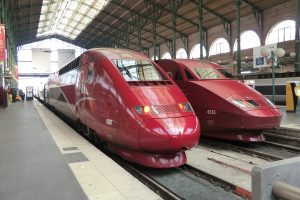 Railcar rubber products need to meet flame smoke, and toxicity (FST) standards that protect human health and safety. Fires that burn railcar seats, floors, wall panels, and other interior components don’t just cause immediate injuries and fatalities. Flames can release smoke that obscures escape routes. Burning rubber that releases toxic gases can also overwhelm passengers and employees.
 Mass transit maintenance organizations need to make cost-effective repairs to buses and trains. Public transit authorities and maintenance, repair and overhaul (MRO) companies also want to source replacement parts in low-to-medium volume quantities. Original equipment manufacturers (OEMs) can supply these custom rubber products, but usually at higher prices than sourcing managers want to pay. The minimum order quantities (MOQs) may be more than maintenance crews need, too.
 Rubber gaskets for mobile equipment provide sealing and insulation for doors and windows. They prevent the entry of outside air and water, but also absorb road and engine noise. For mobile equipment manufacturers, the right rubber gaskets need to provide both environmental sealing and acoustic insulation. Otherwise, unwanted sounds can enter the cab where the operator sits. Seals that admit wind, water, dirt, or outdoor temperatures are problematic, but so is
 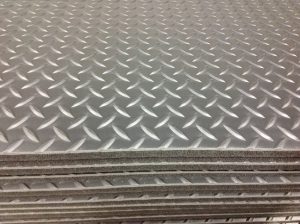 Rubber floor mats for mobile equipment protect the cabin floor, support employee safety, and provide acoustic insulation. The metal flooring that’s used inside the cab is strong and durable, but operators track mud, snow, dirt, and water inside. Rubber floor mats protect these metal surfaces and help reduce slip-and-fall hazards. Rubber flooring that’s laminated to acoustic insulation also helps to absorb noise from the engine compartment, which is often directly below the cab where the operator sits.
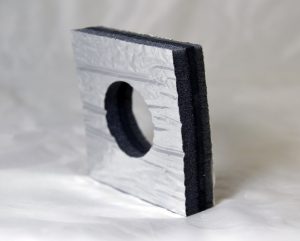 Engine bay insulation for mobile equipment keeps heat and noise in the engine compartment from reaching the cab interior. The diesel engines that power mobile equipment run hot and loud, which raises concerns about occupant comfort, health, and safety. Mobile equipment manufacturers also need to protect cabin components such as instruments from sound-induced vibrations. For a complete engine bay solution, Elasto Proxy makes thermal-acoustic insulation that can also dampen vibrations.
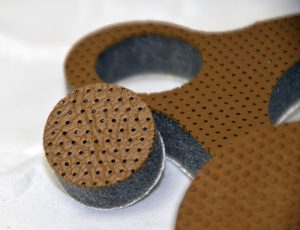 Custom cabin insulation for mobile equipment absorbs sound and provides a finished appearance to cabin interiors. Headliners, door panels, and side panels are made of perforated vinyl foams that, depending on the amount of cabin noise, are typically 1/2” or 1” thick. This acoustic insulation can be hand-cut and applied with spray adhesives, but that process is labor-intensive, results in material waste, and raises health and safety concerns. Fortunately, there’s a better way to get the cab insulation that you need.
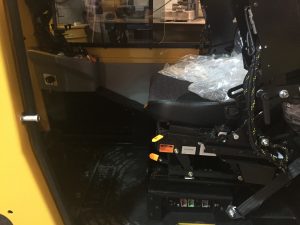 Mobile equipment insulation absorbs sound and deflects heat, helping to keep drivers and operators safe and comfortable. Materials of construction vary, but generally include foams, foils, and facings. For mobile equipment manufacturers, the process of cutting, assembling, and installing thermal insulation and acoustic insulation can result in material waste and concerns about product quality. Manufacturers risk losing sight of their true costs, and potential buyers may notice imperfections in cab and vehicle interiors.
 Skylight seals from Elasto Proxy can meet requirements for dead loads, live loads, local maintenance loads, and wind compression loads.