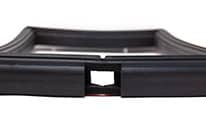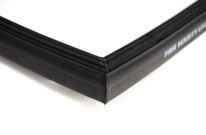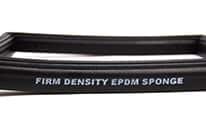
Molded Corners for Rubber Gaskets
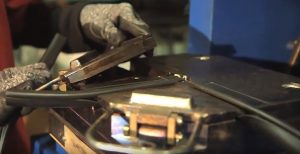 Molded corners for rubber gaskets are recommended for applications that require rounded joints, the ability to withstand stretching, or high cycle times. Molding is more expensive than hot splicing or vulcanization, but it’s the only way to create radisued corners. C-press injection molding, a bonding method for rubber gaskets, is ideal for low-to-medium volume quantities but suitable only for solid profiles.
By understanding how C-press injection molding works and the advantages that molded corners provide, engineers can make strong decisions about gasket fabrication. In this article, the second in a series from Elasto Proxy, we’ll continue our coverage of joining methods. Next week’s content, the last in our series, will examine cold bonding. (more…)
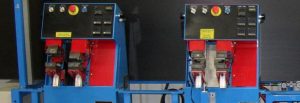
 Flame retardant rubber helps to protect people and property from the devastating effects of fire. By stopping or slowing the spread of flame, these elastomers reduce the rate and intensity of burning. They can also limit the release of smoke and toxins while increasing the amount of time that people have to escape from life-threatening situations. Applications for these specialized compounds include electronic enclosures and the interiors of buses, trains, and subways.
 UL gasket materials can provide flame resistance, ingress protection, or other specialized properties. For engineers, it’s important to understand what the different standards from Underwriters Laboratories (UL) mean. It’s also worth knowing if UL gasket materials are truly required in your component-level designs. Otherwise, you may “over-engineer” your gaskets and pay too much for materials.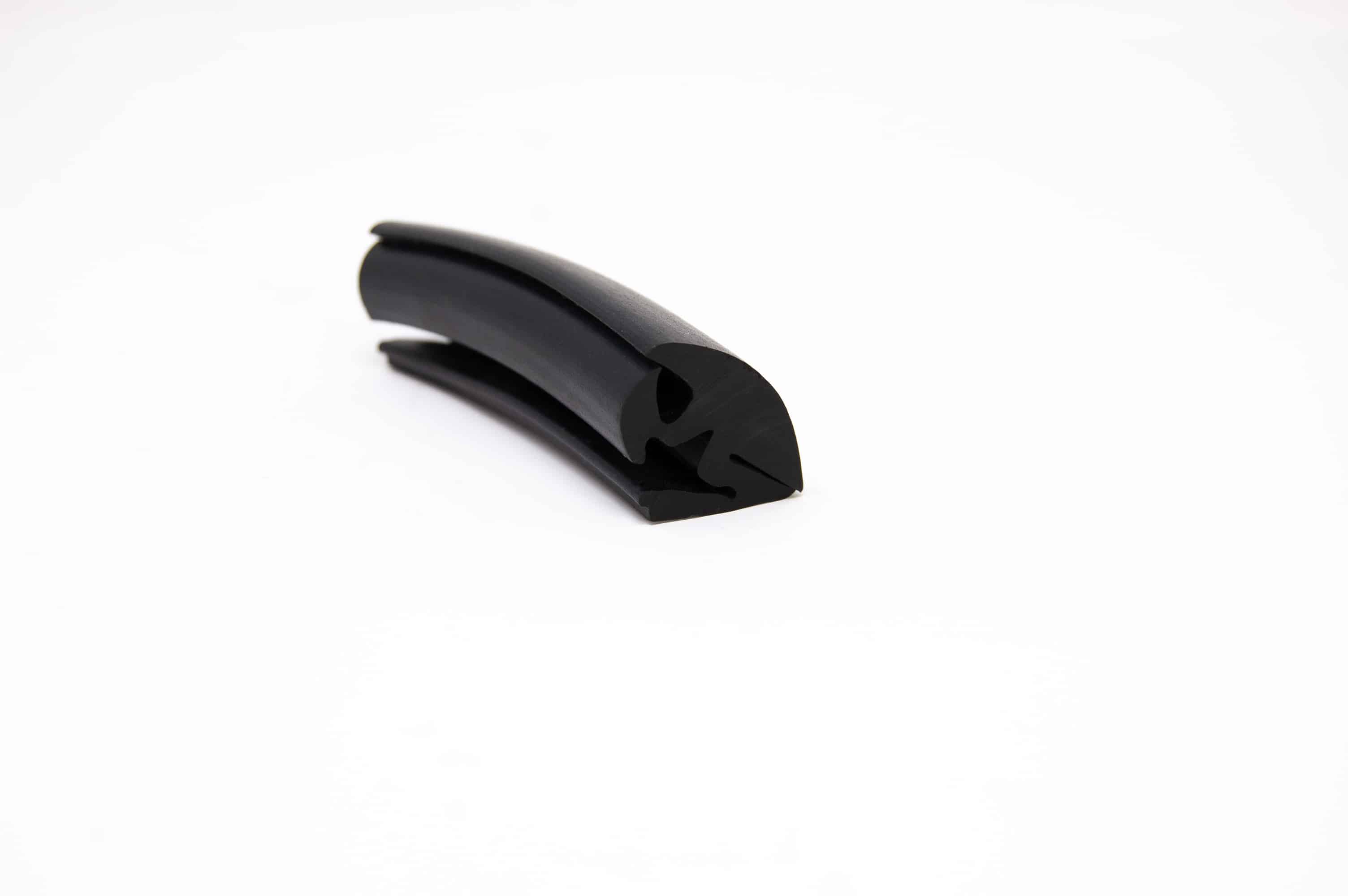
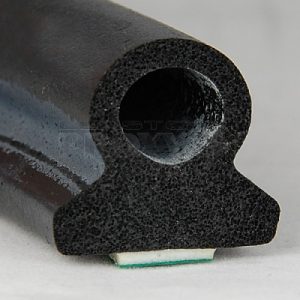 Do you know how to install rubber gaskets for optimal sealing and insulation? If rubber seals are installed improperly, small leaks can admit air, water, dust, light, and sound. That’s a big problem for assembly and maintenance personnel who work in industries like mobile equipment, defense, aerospace, stainless steel and food equipment, infrastructure, and medical and health.
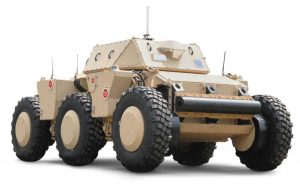 Unmanned ground vehicles (UGVs) need rubber UGV gaskets that can help protect sensitive electronics from high heat. UGVs also need weather-resistant door and hatch seals, and custom gaskets for cameras and LED lights that can handle extreme temperatures while keeping out water and dust. Manufacturers of UGV electronics, vehicle bodies, and imaging systems must meet different requirements, but custom fabrication can solve sealing and insulation challenges across the UGV supply chain.
 Unmanned aerial vehicles (UAVs) need rubber gaskets that can protect UAV components from environmental conditions, flexural fatigue, and electromagnetic interference (EMI). Manufacturers of antennas, avionics, and airframes face different sealing and insulation challenges, but custom fabrication offers the UAV supply chain a value-added solution. Elasto Proxy, a leading supplier of specialty rubber products, custom-fabricates the rubber gaskets that unmanned systems need.