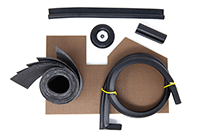
How to Choose Rubber Weather Stripping
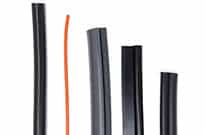
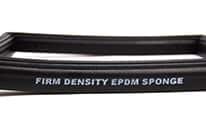
Rubber weather stripping provides either static or dynamic sealing. Sealing pressure is essential, and some elastomers are more resilient than others. Technical buyers and product designers need to compare open cell and closed cell rubber, specify the durometer or hardness, and choose the right compound.
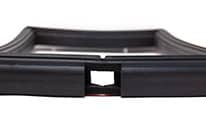
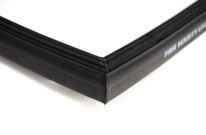
Rubber weather stripping prevents the flow of air and water between two surfaces, such as a door and door frame. Standard weather stripping may be suitable for residential use, but applications in the automotive, building and construction, and electronics industries often require a custom sealing solution. Custom-fabricated weather stripping ensures part quality while speeding installation and reducing material waste.
But what do buyers and designers need to know about weather stripping selection? Let’s take a look. (more…)