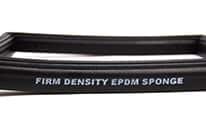
FDA Gasket Materials for Food Contact Applications
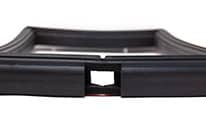
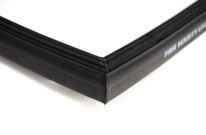
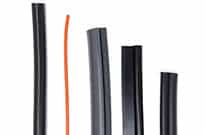
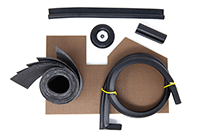
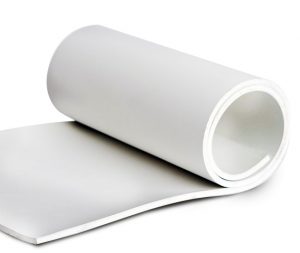 FDA gasket materials are used in food contact applications such as commercial kitchens. They meet strict standards from the U.S. Food and Drug Administration (FDA), a regulatory agency that’s responsible for protecting the public health by ensuring the safety and quality of many food products. The FDA’s jurisdiction is limited to the United States, but FDA standards are followed worldwide.
FDA gasket materials for food contact applications are subjected to rigorous testing. They are non-toxic, non-marking, non-allergenic, and reliable over a wide range of temperatures. These compounds are also tasteless, odorless, and resistant to the natural growth of bacteria. Not all food-grade rubber is FDA approved, however, so it’s important to choose gasket materials with care. (more…)
 NSF gasket materials are used in commercial food service equipment, water treatment or distribution systems, and other applications that can affect human health and safety. Rubber compounds that are registered with NSF International (formerly the National Sanitary Foundation) must pass rigorous tests to ensure that potentially harmful substances won’t migrate from the gasket material when in contact with food or drinking water.
 UL gasket materials can provide flame resistance, ingress protection, or other specialized properties. For engineers, it’s important to understand what the different standards from Underwriters Laboratories (UL) mean. It’s also worth knowing if UL gasket materials are truly required in your component-level designs. Otherwise, you may “over-engineer” your gaskets and pay too much for materials.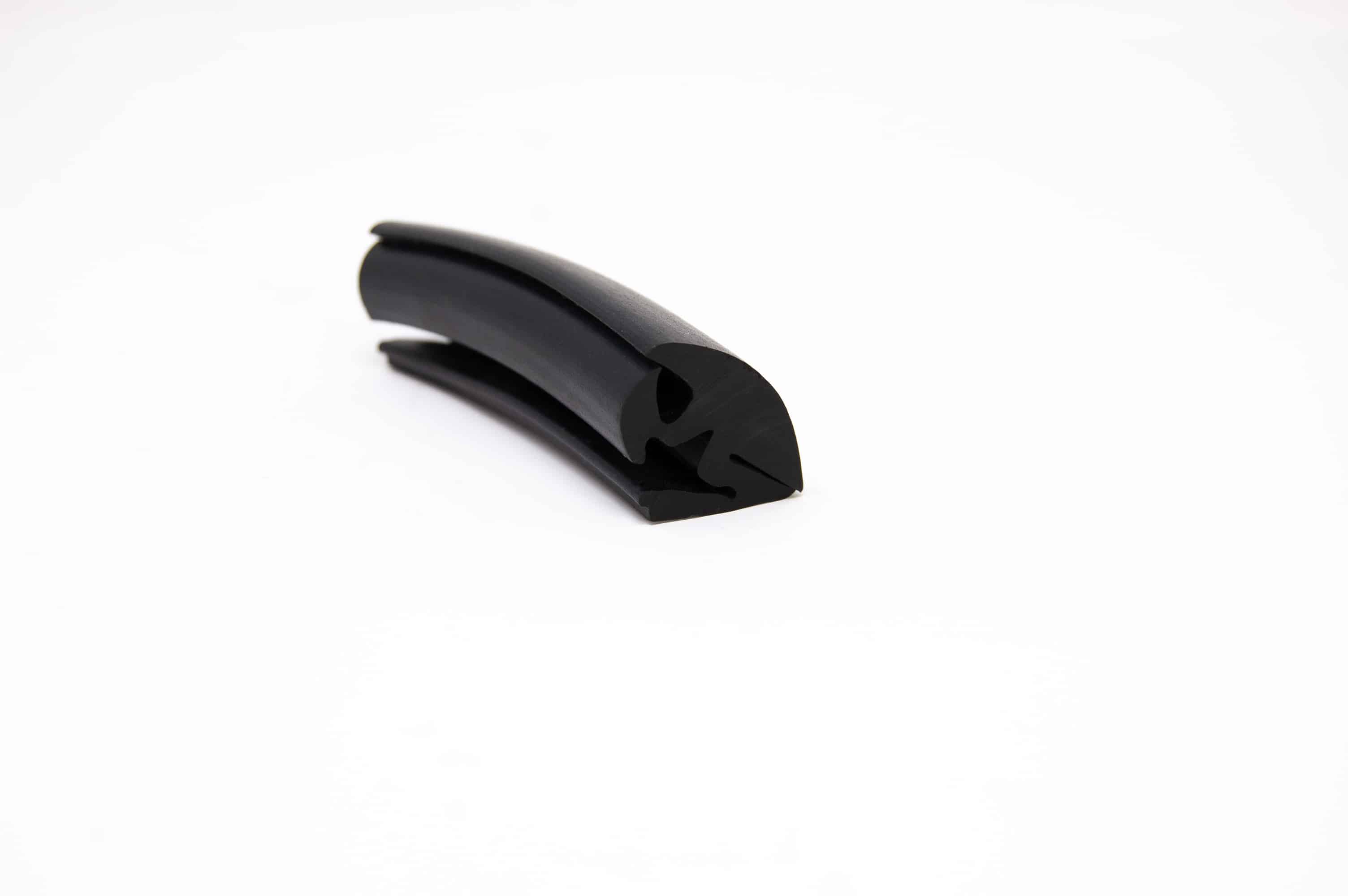
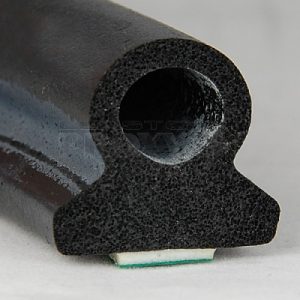 Do you know how to install rubber gaskets for optimal sealing and insulation? If rubber seals are installed improperly, small leaks can admit air, water, dust, light, and sound. That’s a big problem for assembly and maintenance personnel who work in industries like mobile equipment, defense, aerospace, stainless steel and food equipment, infrastructure, and medical and health.
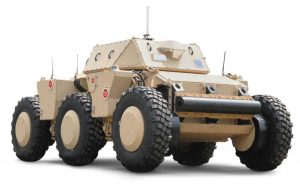 Unmanned ground vehicles (UGVs) need rubber UGV gaskets that can help protect sensitive electronics from high heat. UGVs also need weather-resistant door and hatch seals, and custom gaskets for cameras and LED lights that can handle extreme temperatures while keeping out water and dust. Manufacturers of UGV electronics, vehicle bodies, and imaging systems must meet different requirements, but custom fabrication can solve sealing and insulation challenges across the UGV supply chain.
 Unmanned aerial vehicles (UAVs) need rubber gaskets that can protect UAV components from environmental conditions, flexural fatigue, and electromagnetic interference (EMI). Manufacturers of antennas, avionics, and airframes face different sealing and insulation challenges, but custom fabrication offers the UAV supply chain a value-added solution. Elasto Proxy, a leading supplier of specialty rubber products, custom-fabricates the rubber gaskets that unmanned systems need.
 Data center cooling systems need to maintain temperatures that support the continuous and reliable performance of information technology equipment (ITE) such as blade servers, networking switches, and routers. If heat isn’t removed from the vicinity of sensitive ITE components, overheating can occur. If servers get too hot, onboard logic will turn-off computers to avoid damage. This protects data center assets, but results in downtime and loss of efficiency.