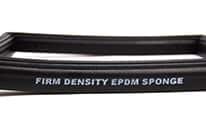
Learn about aging mechanisms in rubber products – and how to spot the signs of seal failure.
Aging in rubber products is the gradual, irreversible decline of an elastomer’s physical, mechanical, and chemical properties. The causes of aging vary and include heat, oxygen, ozone, ultraviolet (UV) rays, mechanical strain, and fluid exposure. At the molecular level, all these aging mechanisms degrade rubber’s polymer backbone and form unwanted chemical bonds through cross-linking.
What does this mean at a practical engineering level? When aging degrades industrial rubber products, there’s a greater risk of seal failure. Fortunately, the evidence of aging is hard to miss. From hardening, embrittlement, and cracking to softening and a loss of elasticity, aging causes rubber products like seals and gaskets to fail in the field. That can result in untimely or costly repairs.
This article from Elasto Proxy examines the five main aging mechanisms in rubber products. You’ll read what happens at the molecular level, but you’ll also learn how to identify the visual and mechanical signs of failure. Different rubbers are designed to withstand different conditions, so ask Elasto Proxy for sealing and insulation solutions backed by expert material selection assistance.
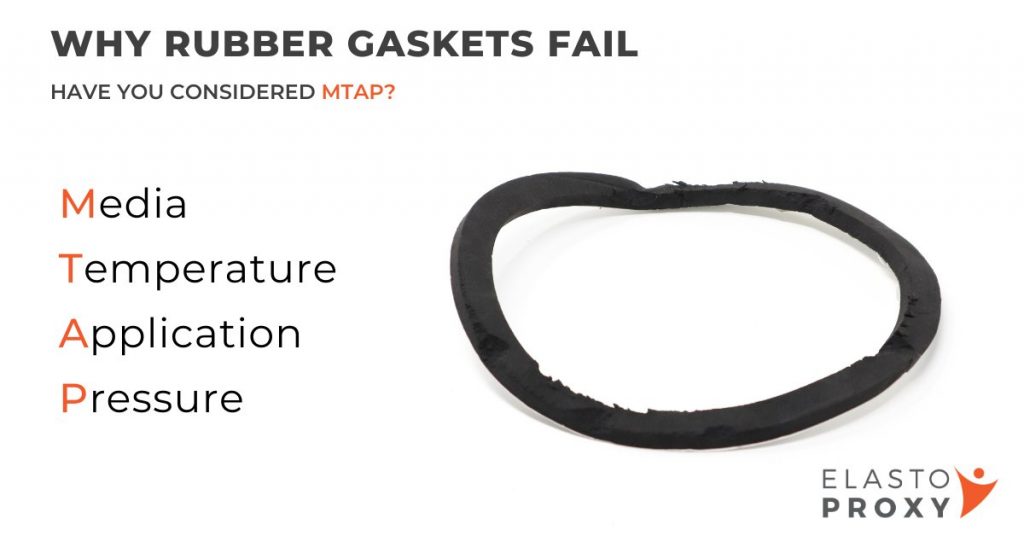
Elasto Proxy uses a framework called MTAP to guide engineers throgh material selection.
Thermal-Oxidative Aging (Heat and Oxygen)
Thermal-oxidative aging occurs when elevated temperatures interact with atmospheric oxygen to break down a rubber material’s molecular structure. Heat supplies the thermal energy that’s required for ambient oxygen to react with rubber’s polymer chains. As a result, the rubber decreases in molecular weight and loses both its strength and elasticity.
The visual and mechanical indicators of thermal-oxidative aging include:
- Increased Hardness and Embrittlement: In materials like EPDM, cross-linking happens over time. Rubber hardens, loses flexibility, and cracks when a light external force is applied.
- Loss of Compression Set Resistance: As cross-links break under thermal stress, a seal fails to return to its original shape when a compressive stress such as a closed door is removed.
- Physical Shrinking and Cracking: High thermal exposure drives out low-molecular-weight plasticizers and causes both physical shrinkage and surface cracking.
Ozone Cracking
Ozone cracking is different from the surface cracking caused by thermal-oxidative aging. That’s because an ozone attack causes deep structural fracturing in the rubber’s molecular structure. Ozone cracking is localized, but it’s an aggressive aging mechanism that targets a rubber product under mechanical tension, such as a rubber boot that’s stretched over a large-diameter housing.
Ozone is produced by the reaction of sunlight with substances in the air. Ozone is an invisible gas, but the signs of ozone cracking are hard to miss. Fine, deep cracks develop across the outer radius of installed bulb seals or edge trims. Under continuous dynamic loads, these cracks can spread until a rubber part splits completely in two.
UV and Photo-Degradation
Ultraviolet (UV) radiation from sunlight or industrial lighting degrades the outer surface of outdoor seals, weatherstripping, and other exposed rubber products. This photo-degradation is mainly a surface problem, but it can create weak points that result in mechanical fatigue or contribute to a loss of chemical resistance.
The visual and mechanical indicators of UV and photo-degradation include:
- Chalking and Discoloration: The surface of the rubber develops a dull, whitish, or gray powdery film as degraded materials like fillers separate from the rubber’s matrix.
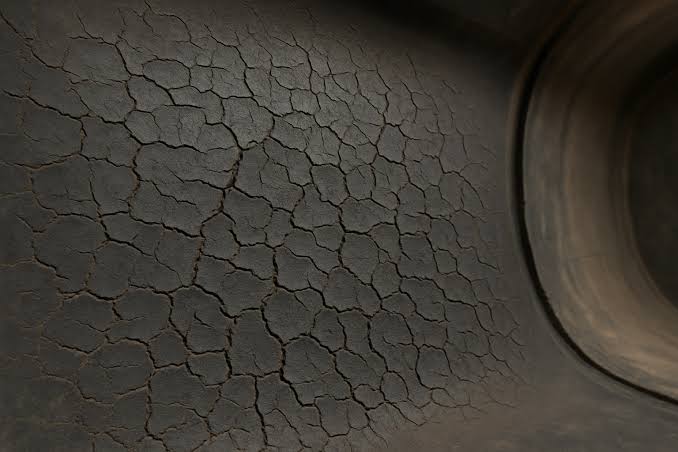
- Surface Crazing: A network of fine, shallow, multidirectional cracks appear on exposed surfaces. These cracks look like dry lakebed mud.
- Loss of Surface Finish: Smooth extruded profiles become rough and abrasive. This reduces the rubber’s visual appeal, but it also accelerates wear caused by adjacent moving parts.
Mechanical Stress and Fatigue
Mechanical aging alters a rubber’s molecular structure through physical methods instead of by chemical ones alone. This aging mechanism happens in sustained static loads over long periods of time, such as with rubber engine mounts in heavy equipment. It also happens during dynamic sealing, such as when a door seal is repeatedly stretched, flexed, or compressed.
The visual and mechanical indicators of mechanical stress and fatigue include:
- Fatigue Cracking: Cracks propagate through high-flex areas, such as the hinges of bulb seals or the flex points of expansion joints.
- Permanent Distortion: A seal or gasket remains flattened after unclamping and fails to recover its original cross-sectional height (i.e., compression set occurs).
- Internal Cavitation: A buildup of heat from internal friction causes volatile additives to vaporize or expand. This creates internal pockets, voids, or structural failures in the rubber.
Chemical and Liquid Exposure
Chemical degradation occurs when rubber contacts aggressive fluids, solvents, fuels, cleaning agents, or environmental fluids. This includes both physical swelling and true chemical attack. When chemical exposure occurs alongside high heat, this aging mechanism accelerates significantly. There are changes at the molecular level, but the signs are mistakable.
The visual and mechanical indicators of chemical and liquid exposure include:
- Volume Swell and Distortion: Gaskets absorb fluid, expanding beyond their installed dimensions and causing profile buckling or extrusion into gaps.
- Gummy Disintegration or Softening: Organic solvents dissolve cross-linked networks, turning hard, smooth rubber into a soft, sticky gel.
- Additive Extraction: When plasticizers, anti-aging agents, or flame retardants leach out of the rubber’s matrix, parts shrink, harden, and become embrittled.
Aging is Invevitable. Seal Failure Isn’t.
All rubber ages and degrades over time, but premature aging can cause seal failures that are difficult or expensive to address. The best approach is to prevent problems like this before they start. When you ask Elasto Proxy for industrial rubber products, we can guide you through proper material selection using our MTAP framework.
- Media: Resistance to chemicals, fuels, and fluids
- Temperature: Ability to withstand extreme environmental heat
- Application: Mechanical constraints such as structural fit
- Pressure: The physical force or vacuum sealing required
We’re not just a rubber fabricator. Elasto Proxy is a value-added partner that also offers services like design reviews. Are you ready to optimize your rubber products and reduce the risk of aging-induced seal failure?