Window Gaskets: Design and Installation
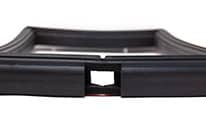
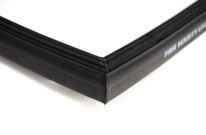
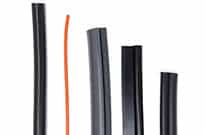
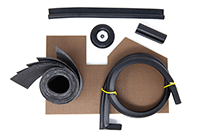
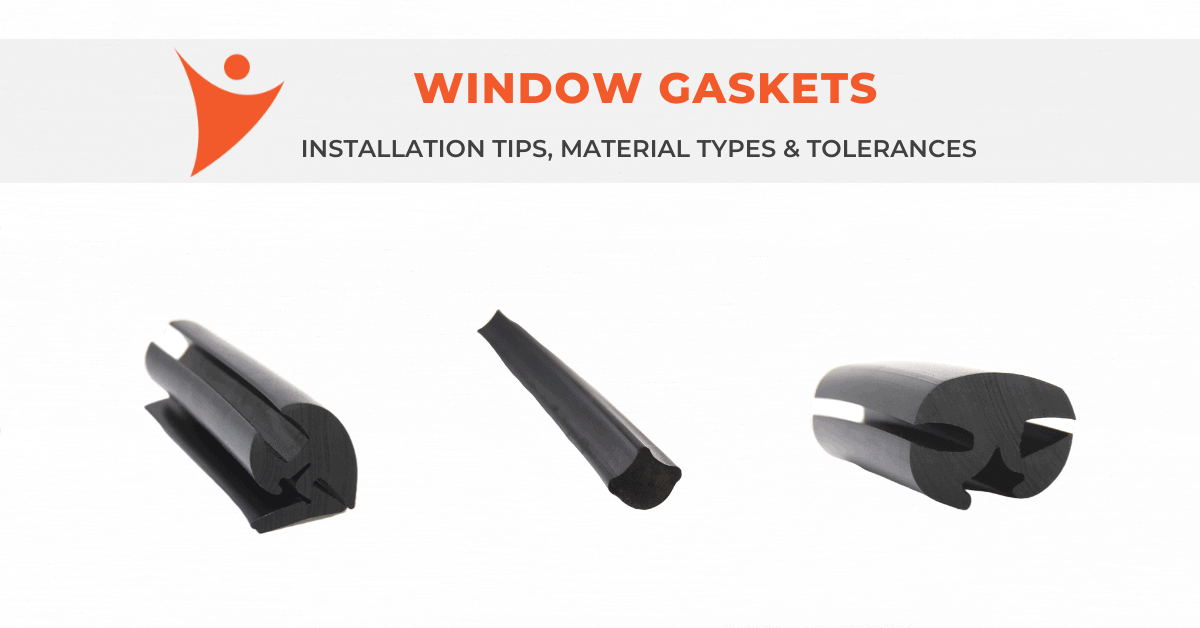
Window gaskets provide sealing and insulation and help hold window glass in place. They are made of rubber and installed along the edges of fixed windows.

Window gaskets provide sealing and insulation and help hold window glass in place. They are made of rubber and installed along the edges of fixed windows.
Elasto Proxy custom-fabricates polyurethane foam for vibration control and shock absorption.Excessive amounts of shock and vibration can cause equipment to malfunction and systems to fail. In some cases, such as…
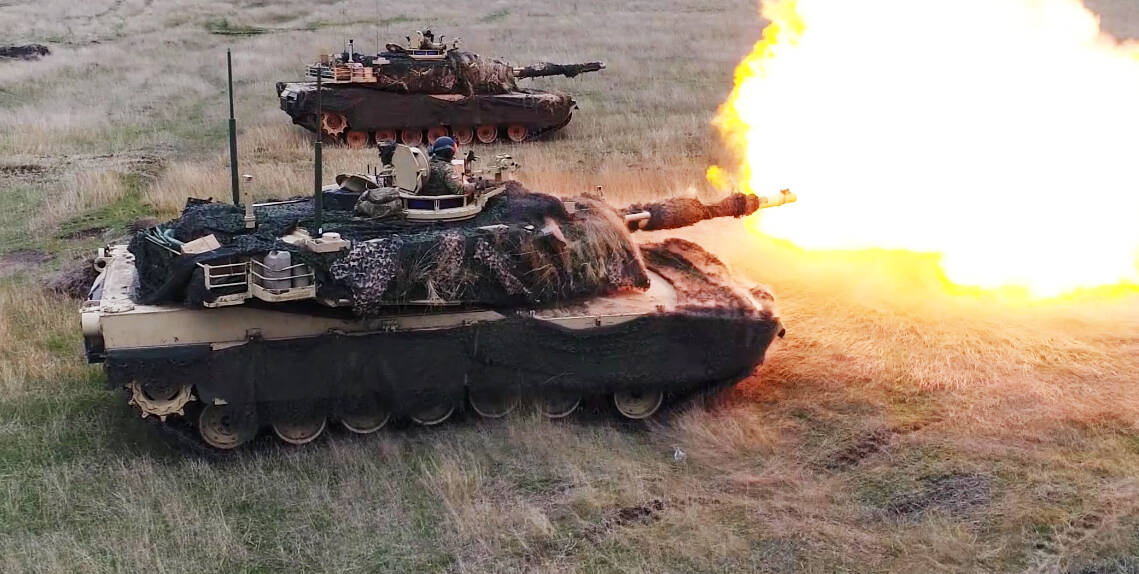
https://youtu.be/AUqWcP6Ip1s Military vehicle insulation for heat, noise and vibration protects warfighters and equipment against conditions that can stop land systems in their tracks. These composite structures are used in engine…
Vibration dampers dissipate the energy that causes resonant vibrations in built structures. Vibration, a back-and-forth movement or oscillation, produces structure-borne noise in machine enclosures, engine bays, generator sets, heavy trucks,…
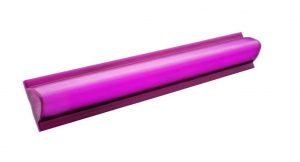 TPE profiles are replacing EPDM rubber in applications such as mobile equipment, food equipment, and infrastructure. Unlike EPDM, thermoplastic elastomers (TPE) are recyclable. That’s especially important in Europe, where manufacturers are moving away from petroleum-based materials.
In North America and other parts of the world, the availability of TPEs in custom colors is driving demand. TPEs can cost more than EPDM profiles, but thermoplastic rubbers (TPRs) – as TPEs are sometimes called – offer important advantages for product designers and engineers. Are TPE profiles the right choice for your next project? (more…)
 Flame retardant rubber helps to protect people and property from the devastating effects of fire. By stopping or slowing the spread of flame, these elastomers reduce the rate and intensity of burning. They can also limit the release of smoke and toxins while increasing the amount of time that people have to escape from life-threatening situations. Applications for these specialized compounds include electronic enclosures and the interiors of buses, trains, and subways.
For engineers, it’s important to understand that all flame retardant rubber is not the same. There are different classes of flame retardants, chemicals that are added or applied during compounding. There are also different flammability standards by industry and within the same industry. For example, the mass transit industry has so many different flame, smoke, and toxicity (FST) standards that simply asking for an “FST compound” or “flame retardant rubber” risks getting you the wrong material. (more…)
 UL gasket materials can provide flame resistance, ingress protection, or other specialized properties. For engineers, it’s important to understand what the different standards from Underwriters Laboratories (UL) mean. It’s also worth knowing if UL gasket materials are truly required in your component-level designs. Otherwise, you may “over-engineer” your gaskets and pay too much for materials.
Compared to commodity elastomers, the prices for UL compounds are higher. The minimum order quantities (MOQs) are greater, too. In the case of rubber extrusions, the compounder has to use special tooling to account for different flow rates. The number of suppliers who offer UL materials is also limited. Unless you really need them, UL gasket materials can add unnecessary expenses to your application.
Of course, some sealing and insulation projects require UL gasket materials to meet specific requirements. In this blog entry, the first in our September series about compound selection, Elasto Proxy explains what engineers need to know about UL gaskets for flame resistance and ingress protection. These aren’t the only UL standards for gaskets, but they’re the most common – and they can be confusing. (more…)
Unmanned vehicles need custom seals, gaskets, and insulation that can withstand marine environments. Commercial drones and the electronics cases that are used with them also need reliable sealing and insulation. Elasto Proxy, a leader in custom-fabricated rubber products, can provide unmanned vehicle OEMs and their suppliers with value-added manufacturing that includes design assistance, help with material selection, prototyping, and low-to-medium volume quantities.
Previous articles in this series have described Elasto Proxy’s capabilities with unmanned aerial vehicles (UAVs) and unmanned ground vehicles (UGVs). In the conclusion to this three-part series, we’ll take a look at how Elasto Proxy can solve sealing and insulation challenges for unmanned surface vehicles (USVs), unmanned underwater vehicles (UUVs), and commercial drones. We’ll also take a look at sealing and insulation solutions for unmanned vehicle accessories. (more…)
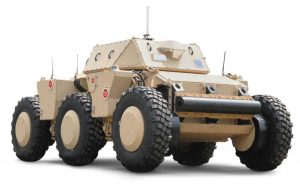 Unmanned ground vehicles (UGVs) need rubber UGV gaskets that can help protect sensitive electronics from high heat. UGVs also need weather-resistant door and hatch seals, and custom gaskets for cameras and LED lights that can handle extreme temperatures while keeping out water and dust. Manufacturers of UGV electronics, vehicle bodies, and imaging systems must meet different requirements, but custom fabrication can solve sealing and insulation challenges across the UGV supply chain.
Elasto Proxy, a global supplier of specialty rubber products, custom-fabricates the rubber gaskets that unmanned systems need. In this article, the second in a series about unmanned vehicles, Elasto Proxy examines three types of UGV gaskets: thermally-conductive insulation, environmental seals, and rubber gaskets for cameras and LED lights. Part 1 of this series covered UAV gaskets. Future articles will examine seals and insulation for USVs, UUVs, commercial drones, and unmanned system accessories. (more…)
 Unmanned aerial vehicles (UAVs) need rubber gaskets that can protect UAV components from environmental conditions, flexural fatigue, and electromagnetic interference (EMI). Manufacturers of antennas, avionics, and airframes face different sealing and insulation challenges, but custom fabrication offers the UAV supply chain a value-added solution. Elasto Proxy, a leading supplier of specialty rubber products, custom-fabricates the rubber gaskets that unmanned systems need.
In this article, the first in a series about unmanned vehicles, Elasto Proxy examines three types of UAV gaskets: UAV antenna gaskets, silicone gaskets with high flex-fatigue resistance, and EMI shielding gaskets. Future articles in this series will examine EPDM gaskets and foam insulation for UAV cases, and sealing and insulation solutions for unmanned ground vehicles (UGVs), unmanned surface vehicles (USVs), unmanned underwater vehicles (UUVs), and commercial drones. (more…)