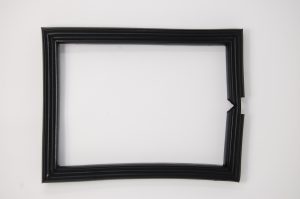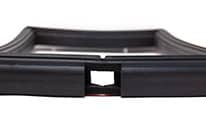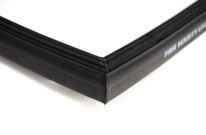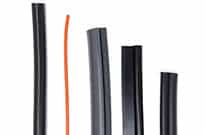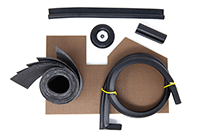
Seal failure is a serious problem in mobile equipment. Without reliable rubber seals for doors and windows, mobile equipment can experience water leaks, increased road noise, drafts, inefficient heating and cooling, and accelerated damage to the frame and interior. These are just a few examples of what can happen, and seals are also used to keep out contaminants and reduce vibrations.
For over 35 years, Elasto Proxy has solved sealing challenges in vehicles ranging from dump trucks and military transports to forestry, construction, and agricultural equipment. We’re both a rubber fabricator and a distributor, and our added-value services include help with material selection and design review assistance.
Keep reading to learn about the leading reasons for seal failure, and contact us to achieve sealing success.
The Top 10 Seal Failures in Mobile Equipment
Here’s a list of the top 10 reasons for seal failure in mobile equipment.
- Compression set failure
- UV and ozone degradation
- Fluid and chemical attack
- Abrasion and wear
- Poor compression / deflection
- Thermal cycling
- Improper material selection
- Installation damage
- Water and dust ingress
- Vibration fatigue
The following sections explains why these failures happen and what you can do to prevent them.
1. Compression Set Failure
To form a reliable seal, a gasket is compressed between two substrates, such as a door and a door frame. If too much force is applied, or if the seal is compressed for too long, the seal loses its elasticity and the ability to “bounce back” when the pressure is removed. To avoid compression set failure, select a material with enough compression set resistance.
2. UV and Ozone Degradation
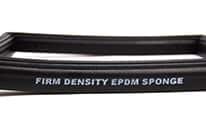
Outdoor environments can cause mobile equipment seals to fail in the field. For example, ultraviolet (UV) light from the sun, ozone from the air, and exposure to weather can cause door or window seals to crack or harden. EPDM rubber is a good choice for mobile equipment seals because of its outdoor environmental resistance; however, thermoplastic elastomers (TPEs) are also used.
3. Fluid and Chemical Attack
Seals aren’t just found in the operator cabin. They’re also used to contain hydraulic fluids, petroleum-based fuels, greases, and cleaning agents. These substances can cause seal failure because the rubber swells, hardens, or breaks down. Make sure that the material you select is compatible with the type of chemicals it will contact. The duration of this contact is also a factor.
4. Abrasion and Wear
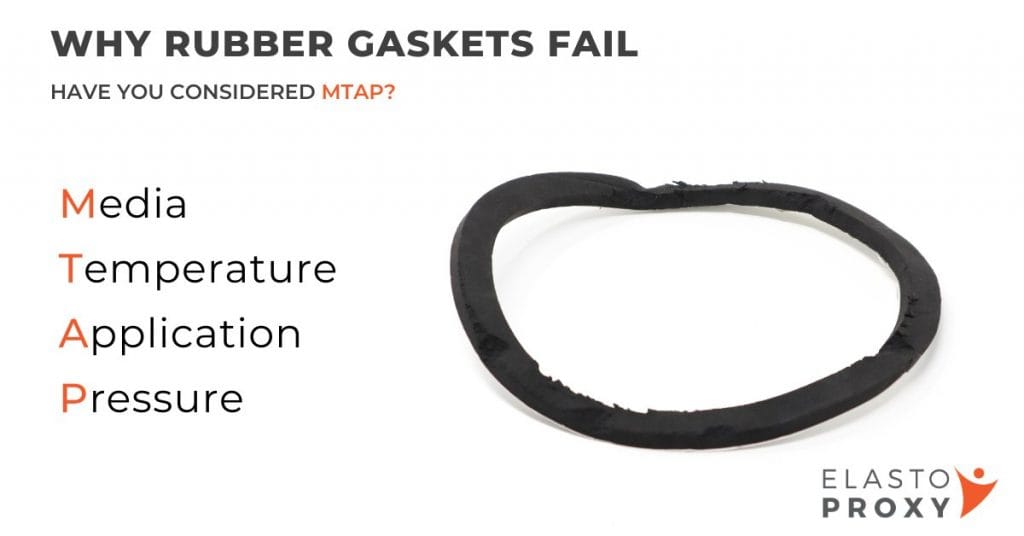
Friction and grit can cause wear, the progressive loss of material because of movement or contact. Selecting a wear-resistant rubber is important, but your seal design also needs to consider shape and size of the profile. Custom-fabricated rubber seals can offer a more precise fit for greater durability and improved performance.
5. Poor Compression / Deflection (Design Issue)
Some seals are designed to fit a groove. Others attach to flat surfaces with fasteners. Yet incorrect groove design and uneven fastener torque can cause seal failure, especially if the seal won’t compress properly or deforms excessively under a heavy load. To achieve sealing success, optimize your groove design and check your torque specifications.
6. Thermal Cycling / Expansion and Contraction
Rubber expands when it’s heated and contracts when it’s cooled. However, repeated cycles of heating and cooling can cause rubber to shrink, harden, or crack. To avoid seal failure, choose materials with good resistance to temperature extremes. For example, silicone resists a wide range of temperatures and maintains its other materials properties with thermal cycling.
7. Improper Material Selection
There are many different types of rubber that can be used for mobile equipment seals. In addition to EPDM, TPE, and silicone, there’s neoprene and nitrile – just to name a few. It’s important to select the right compound, but you’ll also need to specify the proper hardness, or durometer, to help avoid problems like compression set. Choose a material based on all your application requirements.
8. Installation Damage
Installers can damage seals during assembly. Cuts, scratches, or misalignments can create gaps that let in the outside environment, including contaminants. That’s why it’s important to train your installers in the proper use of hand tools. This video from Elasto Proxy explains how to install a gasket on a flat surface and shows the use of a roller.
9. Water and Dust Ingress
Door and window gaskets aren’t the only seals that need to keep out water and dust. Mobile equipment also needs seals to keep out contaminants from cable enclosures. It’s important to design these seals with the proper compression, but don’t forget about fit. A proper fit ensures that the enclosure seal forms an airtight, watertight barrier.
10. Vibration Fatigue
Vibration fatigue is caused by the repeated mechanical stresses of vibration. The wear and cracking that result can cause seal failure. Rubber is an excellent material for resisting and absorbing vibrations but remember that there are many different types of rubbers. Seal design also plays a key role, and products like vibration dampeners include rubber-to-metal bonded assemblies.
Choose Elasto Proxy and Avoid Seal Failure
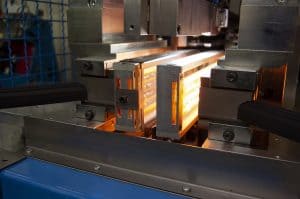
Elasto Proxy helps mobile equipment manufacturers to avoid seal failure. We offer help with material selection along with design reviews. Our water jet cutting equipment is fast and efficient, and there’s no tooling to wait for or pay for. We also offer a choice of bonding processes and can provide guidance about the best way to install the seals we fabricate for you.
To learn more, contact us.