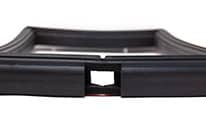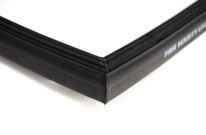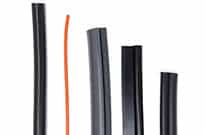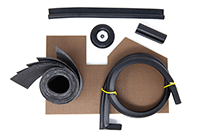
Overprocessing is a form of manufacturing waste that can reduce profits, slow cycle times, and undermine customer satisfaction. If you’re fabricating rubber products in-house, overprocessing can hurt your business in several ways. For example, a mobile equipment manufacturer that focuses on the appearance of a part that a customer won’t see adds unnecessary costs to a project.
This article explains why overprocessing is a form of manufacturing waste and how you can recognize its symptoms. You’ll also learn how to correct it, and how overprocessing applies specifically to rubber products. Outsourcing your rubber fabrication to Elasto Proxy can help, so contact us to learn more about the value we provide.
Why is Overprocessing Wasteful?
Overprocessing occurs when a manufacturer performs more work than is necessary to meet requirements. This extra effort is wasteful because customers won’t pay for unnecessary effort, and they only value work that truly meets their needs. Spending time and energy on unnecessary tasks adds costs without generating additional revenue.
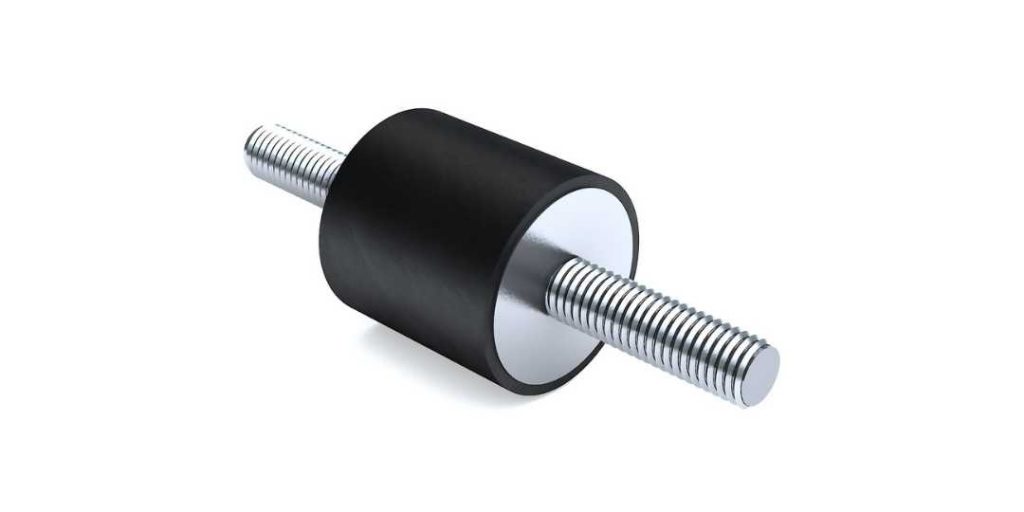
For example, polishing the metal on a vibration mount that’s hidden from view is a waste of time and effort. Similarly, designing a rubber part with precision tolerances when commercial tolerances are sufficient adds unnecessary manufacturing complexity and increases production costs. Ultimately, overprocessing consumes resources and reduces efficiency without adding true value.
What are the Symptoms of Overprocessing?
Now that you understand what overprocessing is, how can you recognize it in your own operations? Look for these symptoms.
- Focusing on the appearance of purely functional parts
- Excessive inspection and testing (e.g., redundant checks)
- Unneeded features or design elements
- Tight tolerances beyond minimum requirements
How Do You Correct Overprocessing?
Eliminating overprocessing means aligning your operations more closely with what customers are willing to pay for. It can also involve simplifying unnecessarily complex processes. It takes a disciplined approach, but here are some strategies that can help.
- Clarify your requirements
- Standardize work instructions
- Match processes to requirements
Consider the following as well.
- Design for Manufacturability (DFM)
- Error Proofing (Poka-Yoke)
- Value Stream Mapping (VSM)
Design for Manufacturability (DFM)
DFM is about designing products so that they can be produced efficiently at the lowest cost. It’s not about comprising quality. Instead, DFM considers manufacturing constraints and capabilities from the outset of the design process.
Error Proofing (Poka-Yoke)
Poka-Yoke, a Japanese term for “mistake proofing”, is about preventing errors from occurring, or detecting them immediately at the source. The goal is to make processes “foolproof” by building error proofing into the process itself.
Value Stream Mapping (VSM)
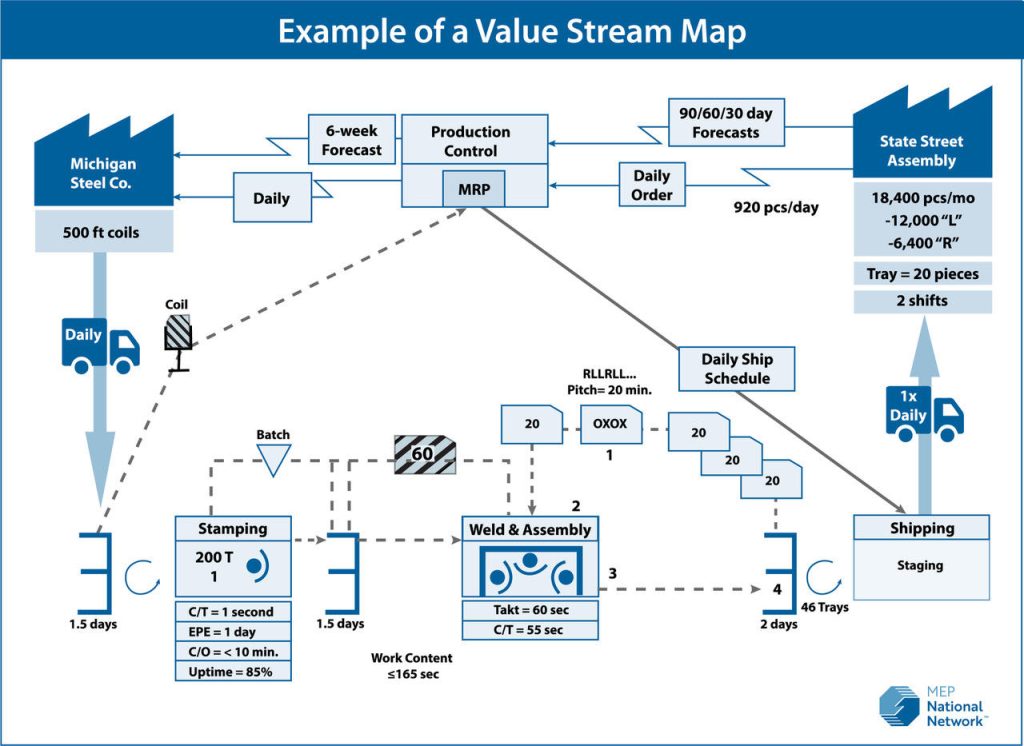
VSM is a Lean Manufacturing technique that visualizes an entire process for delivering a product or service. It’s designed to identify and eliminate waste and involves creating a flow chart with standard symbols to show the flow of materials and information. It
Can Outsourcing Address Overprocessing?
With rubber products, you can also address overprocessing by outsourcing your parts fabrication to Elasto Proxy. You may need to clarify your requirements, but we help with your decision making. For example, our solutions providers can offer advice about material selection. That’s important if you’re asking for a more expensive elastomer when a less expensive rubber will meet your requirements. We also offer design reviews along with custom fabrication and value-added services.
Ready to learn more? Eliminate the overprocessing of rubber products with Elasto Proxy.