Wasted motion is physical movement that does not add value to your company’s products. Examples include walking long distances for materials and searching for tools or work instructions. Individually, these motions might seem trivial; however, they add up over time. Along with slower cycle times, wasted motion add costs to operations and can increase the risk of worker injury.
Elasto Proxy can help you reduce wasted motion for rubber products like door seals, window seals, and molded products like the ones used in automotive and heavy equipment interiors. We’re a rubber fabricator and distributor, but we also offers value-added services like parts kitting. Keep reading to learn more and contact us for rubber products that improve your operational efficiency.
Why Wasted Motion Maters
Wasted motion hurts productivity. Time that’s spent on unnecessary movement is time that’s not spent creating value. In manufacturing, the loss of just a few seconds per cycle can become costly over hundreds or thousands of cycles. Plus, wasted motion isn’t always captured in standard productivity metrics. It’s a drain on labor efficiency than reduces your profits.
That’s not all. Wasted motion can disrupt standard work processes and cause cycle time variations. This makes it harder to manage throughput and workloads. The results can include increased errors and delivery delays. Over time, repetitive and awkward motion can also lead to worker fatigue and musculoskeletal injuries. Higher workers’ compensation rates won’t help your bottom line.

Picking and Wasted Motion
In manufacturing, inventory waste refers to excess or unused materials. It’s a form of manufacturing waste, but it’s different from wasted motion. What’s the difference? Consider a picker who retrieves items from inventory and brings them to the assembly line. In the warehouse, the picker needs to twist, bend, and turn to return to remove rubber products from a shelf. That’s just the start.
For an automotive or heavy equipment build, multiple rubber products are used. If each part number has a separate SKU number and storage location, our picker travels the warehouse looking for everything that’s required. There are stops along the way and conversations with co-workers. Then there’s a trip from the warehouse to the assembly line itself.

Fabrication and Wasted Motion
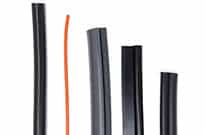
When parts reach the assembly line, the picker leaves them in a designated drop-off area. An installer then retrieves them and moves them to a work bench. It’s easy to dump the parts onto a table, but some fall on the floor. The installer picks them up before hunting for hand tools. If the rubber parts are profiles or cabin insulation, they’ll need to be cut-to-size before they’re installed.
Mis-cuts are a form of manufacturing waste, but wasted motion also comes with a cost. Even with proper cuts, an installer must measure the length of rubber every time. Hand tools like knives pose a risk of injury, and bonding cut lengths into finished gaskets requires additional movement. With insulation, an installer may need to retrieve a cardboard template that becomes smaller over time.
Installation and Wasted Motion
Installing rubber products takes time. With headliners, for example, some companies apply a spray adhesive. That requires setups and cleanups, but fasteners aren’t necessarily faster. An installer needs to find and use hand tools along with metal screws or plastic pins. Some fasteners drop on the floor, and a cordless drill isn’t so handy when you’re waiting for the battery to recharge.
Door seals and window gaskets also take time to install. If the dimensions are imprecise, there’s probably some pushing and pulling involved. Rubber products seem like just another commodity item until an installer struggles to fit them inside a car, truck, or piece of heavy equipment. Now that you’ve seen some of the hidden costs in wasted motion, what’s the solution?
Reduce Manufacturing Waste with Elasto Proxy
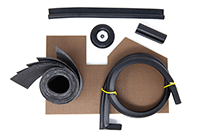
Imagine ordering all the rubber parts you need for a build and having a box of them travel from your loading dock to the assembly line. There’s no stocking and picking required. If your company doesn’t practice just-in-time inventory, you can still order kits of related components like the molded automotive parts that metal stamping and machining companies need for OEM work.
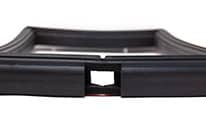
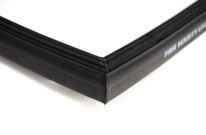
Elasto Proxy supplies molded rubber parts, and we can also fabricate rubber products that arrive ready-to-install. We use water jet cutting to convert rubber profiles into cut lengths, and we use this same digital manufacturing process to create insulation like headliners. We can then bond cut lengths into finished gaskets and laminate layers of insulating materials together.
Interested in speeding installation? Elasto Proxy can supply gaskets or insulation that comes with pressure-sensitive adhesive (PSA) tape. Imagine peeling-and-sticking instead of performing time-consuming setups and cleanups or working with hand tools and fasteners. Make us a part of your team and improve your manufacturing efficiency by reducing wasted motion.