Seals and Insulation for Military Projects at AUSA 2016
 Is your company part of the defense community? Do you design, build, or buy components for military projects such as vehicles? Are you headed to AUSA 2016 next week? From October 3 to 5, 2016, leading defense contractors and subcontractors will join military officers and government officials for the annual meeting and exposition of the Association of the United States Army (AUSA). Held at the Walter E. Washington Convention Center in Washington, D.C., AUSA 2016 is where you’ll learn about the latest in land power.
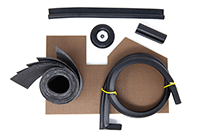
As an experienced member of the defense supply chain, Elasto Proxy will be in Washington for this important event. Robert Naccarato, Elasto Proxy’s Sales Manager, and Tom Henry, U.S. Branch Manager, invite you to join them in the Canadian Pavilion, or to arrange a meeting in another tradeshow location at your convenience. If you need custom seals, gaskets, or insulation for military vehicles, you’ll want to take advantage of this special opportunity. (more…)
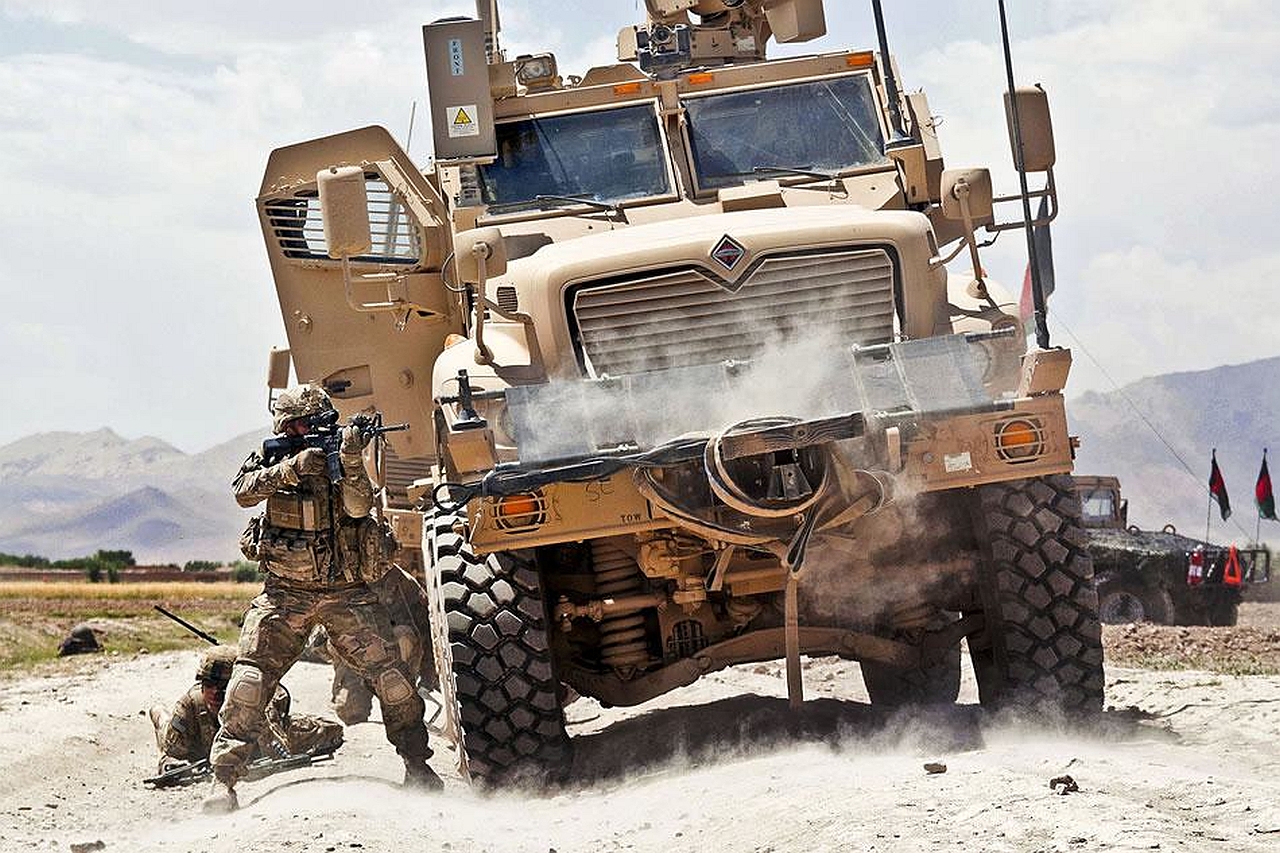
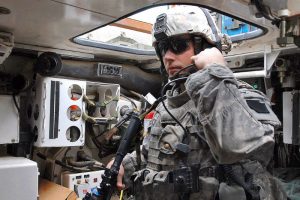 Americans say “Zee” for the letter Z. Canadians say “Zed” instead. In both North American countries, their militaries say “Zulu” so that radio or telephone messages can be understood clearly. If you’re a defense contractor that makes military vehicles, it’s important to know you’ll receive exactly what you asked for. Elasto Proxy, a trusted member of the defense supply chain, can custom-fabricate thermal acoustic insulation that meets all of your requirements.
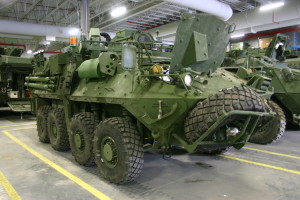
 Defense contractors trust sealing and insulation solutions from Elasto Proxy, a custom-fabricator of low-to-medium volumes of rubber and plastic parts. For over 25 years, our ISO 9001:2008-certified company has been providing custom solutions like these for major military programs: