
Bulb Trim Guide
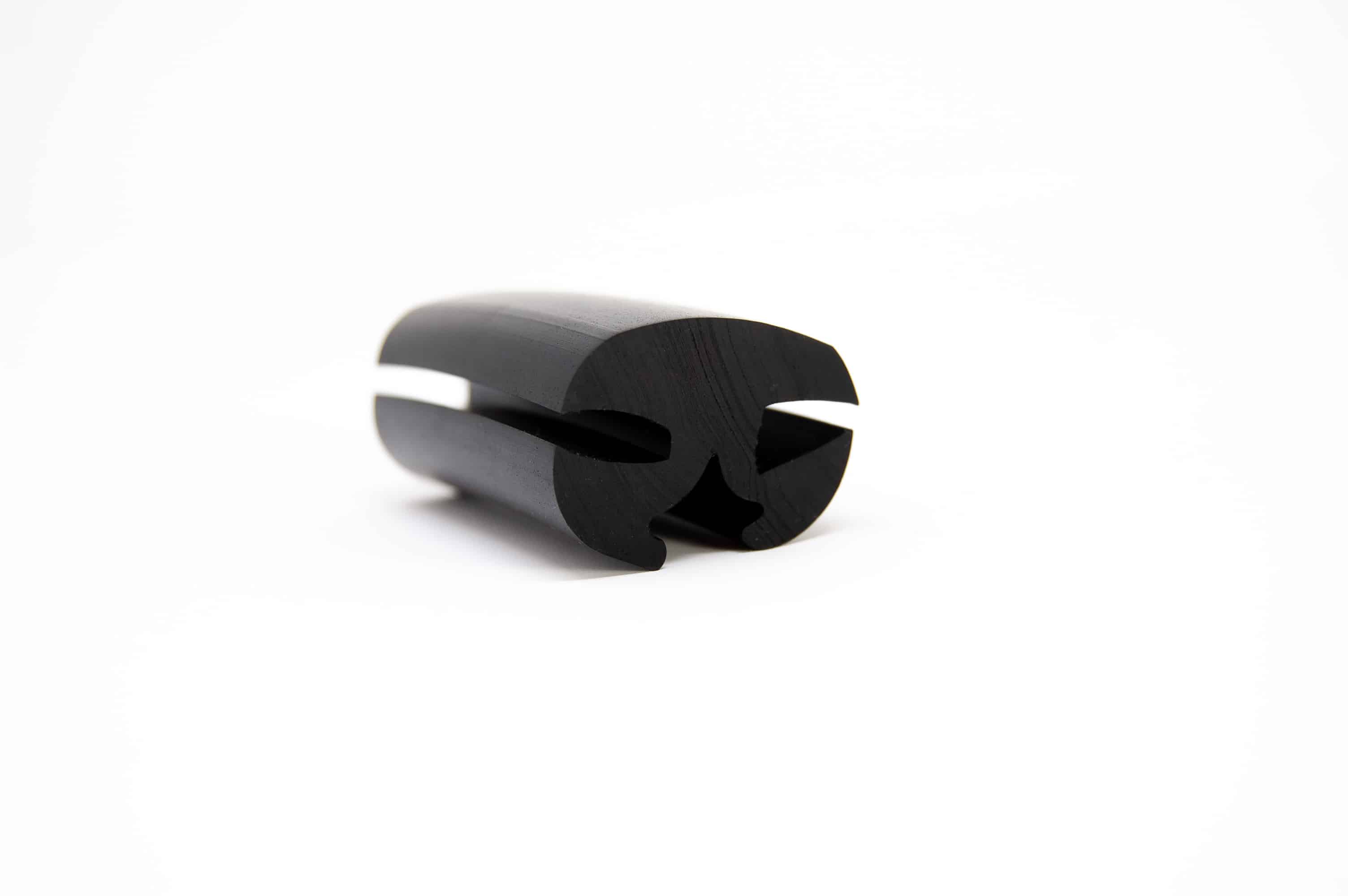
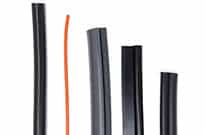
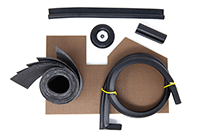
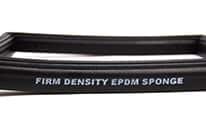
This bulb trim guide from Elasto Proxy explains how to select, use, and install rubber products that are sometimes known as trim seals.
What’s the difference between solid, sponge, and foam rubber? Ultimately, it’s about whether the rubber has a cellular structure and, if so, how those cells are made and whether they permit or prevent the passage of fluids.
From semis to service trucks, and from flatbeds to transport trucks, Elasto Proxy supplies the rubber and plastic parts OEMs and MROs need.
Elasto Proxy presents the top 10 blogs of 2023. Whether you're new to the blog or a long-time reader, check out our most-viewed content of the year.
Compare material properties for EPDM, nitrile, neoprene, and silicone, and for natural rubber, SBR, and fluorosilicone.
Service temperatures, heat aging, dielectric strength, and electrical insulation are thermal and electrical properties for rubber compounds.
Need rubber products? How much do you know about Elasto Proxy’s capabilities? We're both a rubber distributor and a fabricator.
Learn about the physical properties of rubber compounds: tensile strength, hardness, specific gravity, tear resistance, and more.
Rubber parts have different tolerances than metal ones. This article explains how to find and use the right tolerances for your seal design.
Does your seal design include MTAP? When Elasto Proxy performs a design review, we consider media, temperature, application, and pressure.