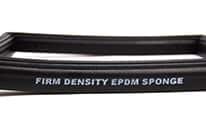
Rubber Floor Mats Reduce Wear, Danger, and Noise
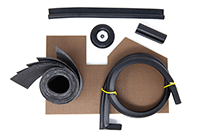
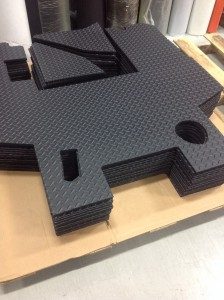 Rubber floor mats for mobile equipment protect cabin floors from damage and operators from slip-and-fall hazards. Rubber flooring that’s laminated to acoustic insulation also absorbs noise from the engine compartment, which is often directly below the cab where the operator sits. Rubber matting can even be used as a kick-plate to protect cabin walls from contact with an operator’s boots.
For mobile equipment manufacturers, choosing the right type of cabin flooring is an important design consideration. The metal floors that are used inside a cab are durable, but operators track mud, snow, dirt, and water inside. Rubber floor mats can protect these metal surfaces from rust, corrosion, and scratching. Sheet metal flooring can become slippery, but rubber surfaces can offer surer footing.
As manufacturers are discovering, rubber floor mats are part of a complete cabin solution that promotes operator safety and equipment performance. By understanding how rubber flooring is designed and made, manufacturers can determine if a custom-fabricated solution is the right choice. For starters, however, engineers may want to compare rubber to other flooring materials. (more…)
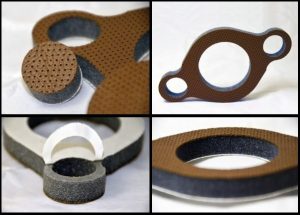 Custom cab insulation absorbs sound and provides a finished appearance to mobile equipment interiors. This acoustic insulation can be cut by hand and applied with spray adhesives, but that process is expensive, wasteful, and even hazardous to human health. Plus, manual cutting can result in cabin insulation that’s unappealing. Buyers who see mis-cuts may question the quality of your overall equipment design.
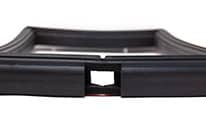
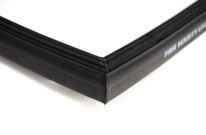
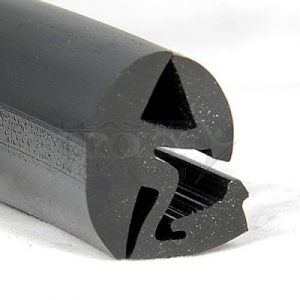 Window channels are rubber gaskets that hold window glass in place and help to secure window frames. They also eliminate rattling and provide protection against wind, water, dust, and debris. Applications for window channels include mobile equipment, defense, medical and health, stainless steel and food equipment, infrastructure, and aerospace.
 Industry 4.0 is a catchphrase and buzzword that you can no longer afford to ignore. This fourth phase of the Industrial Revolution isn’t just about the increased digitization of manufacturing. It’s not just about advances in automation either. Industry 4.0 could change how your company competes and whether or not you’ll continue to win. Industry 4.0 isn’t just about technology. It’s about profitability.
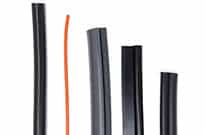
 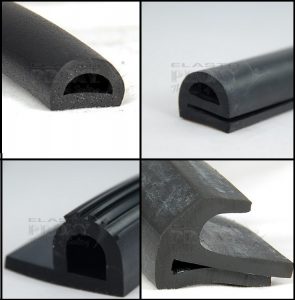 There are four common shapes for extruded rubber seals. Do you know which shape is the right choice for your gasket application? Engineers and seal designers can choose P-shapes, D-shapes, E-shapes, and lip seals. Purchasing agents can either order cut lengths or buy spliced gaskets.
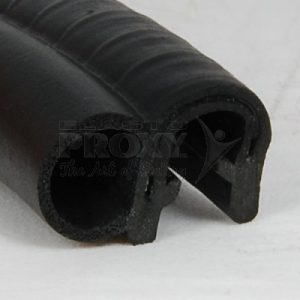 Bulb trim provides sealing and insulation for doors, hatches, and enclosures with rounded corners. These industrial rubber products have separate bulb and retainer sections, each of which can have a different durometer or hardness. The bulb forms a seal under low-to-medium closure force. The retainer or trim is pressed into place over a flange and may have an integral tongue or metal clips to promote attachment.
 Elasto Proxy supplies industrial products that you probably didn’t know we offered. Why does this matter to you? Engineers need reliable parts that support larger product designs. Components that don’t work, won’t fit, fail in the field, or wear out too soon can cause project delays and cost overruns. If your current supplier can’t support your application, Elasto Proxy may offer an alternative.
 What are the true costs of industrial rubber products such as seals, gaskets, and insulation? Buying rubber materials and fabricating them in-house may seem cost-effective, but is your company really saving money? For that matter, are you sacrificing quality, consistency, and potential sales opportunities for a questionable cost savings?
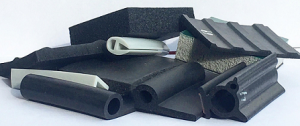 What’s the best way to cut industrial rubber products like seals, gaskets, and insulation? Manual cutting, die cutting, water jet cutting, and abrasive water jet cutting each offer advantages. They also meet different business and technical requirements. As this article from Elasto Proxy explains, choosing the right cutting method for your application requires a complete and careful analysis.
 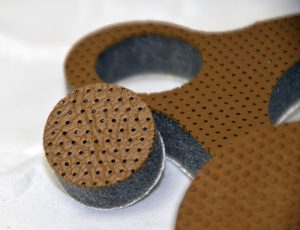 Acoustic insulation absorbs, transmits, or redirects sound – a form of energy that travels in waves. Unwanted sounds, or noise, aren’t just unpleasant to hear. They can harm human health, jeopardize worker safety, and contribute to structural fatigue. The consequences of noise can be severe, but its characteristics are sometimes misunderstood.