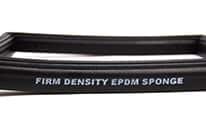
UGV Gaskets for Unmanned Vehicles and Systems
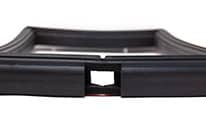
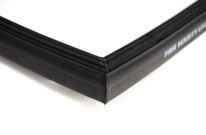
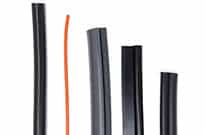
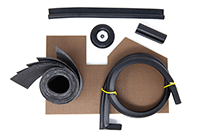
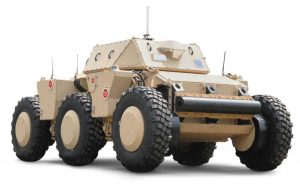 Unmanned ground vehicles (UGVs) need rubber UGV gaskets that can help protect sensitive electronics from high heat. UGVs also need weather-resistant door and hatch seals, and custom gaskets for cameras and LED lights that can handle extreme temperatures while keeping out water and dust. Manufacturers of UGV electronics, vehicle bodies, and imaging systems must meet different requirements, but custom fabrication can solve sealing and insulation challenges across the UGV supply chain.
Elasto Proxy, a global supplier of specialty rubber products, custom-fabricates the rubber gaskets that unmanned systems need. In this article, the second in a series about unmanned vehicles, Elasto Proxy examines three types of UGV gaskets: thermally-conductive insulation, environmental seals, and rubber gaskets for cameras and LED lights. Part 1 of this series covered UAV gaskets. Future articles will examine seals and insulation for USVs, UUVs, commercial drones, and unmanned system accessories. (more…)
 Unmanned aerial vehicles (UAVs) need rubber gaskets that can protect UAV components from environmental conditions, flexural fatigue, and electromagnetic interference (EMI). Manufacturers of antennas, avionics, and airframes face different sealing and insulation challenges, but custom fabrication offers the UAV supply chain a value-added solution. Elasto Proxy, a leading supplier of specialty rubber products, custom-fabricates the rubber gaskets that unmanned systems need.
 Data center cooling systems need to maintain temperatures that support the continuous and reliable performance of information technology equipment (ITE) such as blade servers, networking switches, and routers. If heat isn’t removed from the vicinity of sensitive ITE components, overheating can occur. If servers get too hot, onboard logic will turn-off computers to avoid damage. This protects data center assets, but results in downtime and loss of efficiency.
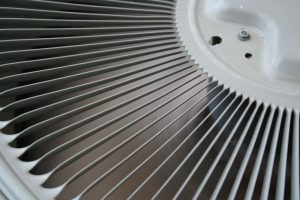 HVAC maintenance, repair, and overhaul (MRO) organizations need replacement parts for air handling units, air conditioners, boilers, chillers, heat pumps, furnaces, humidifiers, dehumidifiers, and other types of HVAC equipment. HVAC MROs also need to source these replacement parts in low-to-medium volume quantities that meet requirements for cost and quality.
 Railcar products for passenger trains include custom seals, gaskets, and insulation for vehicle interiors and exteriors. Railcar interiors require specialized rubber products that meet flame, smoke, and toxicity (FST) standards. Railcar exteriors need reliable sealing and insulation solutions that can withstand tough environmental conditions while protecting passenger health and safety.
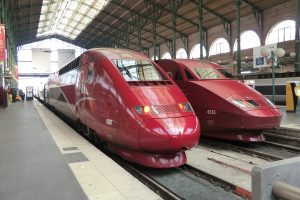 Railcar rubber products need to meet flame smoke, and toxicity (FST) standards that protect human health and safety. Fires that burn railcar seats, floors, wall panels, and other interior components don’t just cause immediate injuries and fatalities. Flames can release smoke that obscures escape routes. Burning rubber that releases toxic gases can also overwhelm passengers and employees.
 Mass transit maintenance organizations need to make cost-effective repairs to buses and trains. Public transit authorities and maintenance, repair and overhaul (MRO) companies also want to source replacement parts in low-to-medium volume quantities. Original equipment manufacturers (OEMs) can supply these custom rubber products, but usually at higher prices than sourcing managers want to pay. The minimum order quantities (MOQs) may be more than maintenance crews need, too.
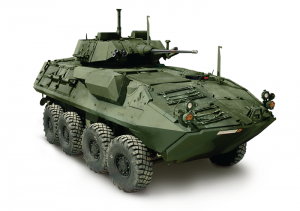 Thermal-acoustic insulation for military land systems absorbs heat and sound. These composite structures are used in engine compartments, doors, floors, side panels, and hatch covers. Elasto Proxy custom-fabricates thermal-acoustic insulation from foams, films, facings, and other specialized materials that meet your requirements. Our capabilities include water jet cutting for precise cuts, lamination for the reliable joining of different materials, and taping for thermal-acoustic insulation that’s easy-to-install.
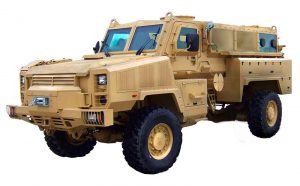 Engine bay insulation for military vehicles keeps noise and heat in the engine bay from reaching the passenger compartment. The diesel engines that power military land systems run loud and hot, raising concerns about solider health and safety. Warfighters need to be able to hear each other above engine sounds, and a vehicle where the air conditioning runs full-blast is less fuel-efficient. Hotter vehicles also have stronger heat signatures, making them more susceptible to thermal detection by hostile forces.